
Melbourne’s Dependable Plumbing & Roofing Specialists
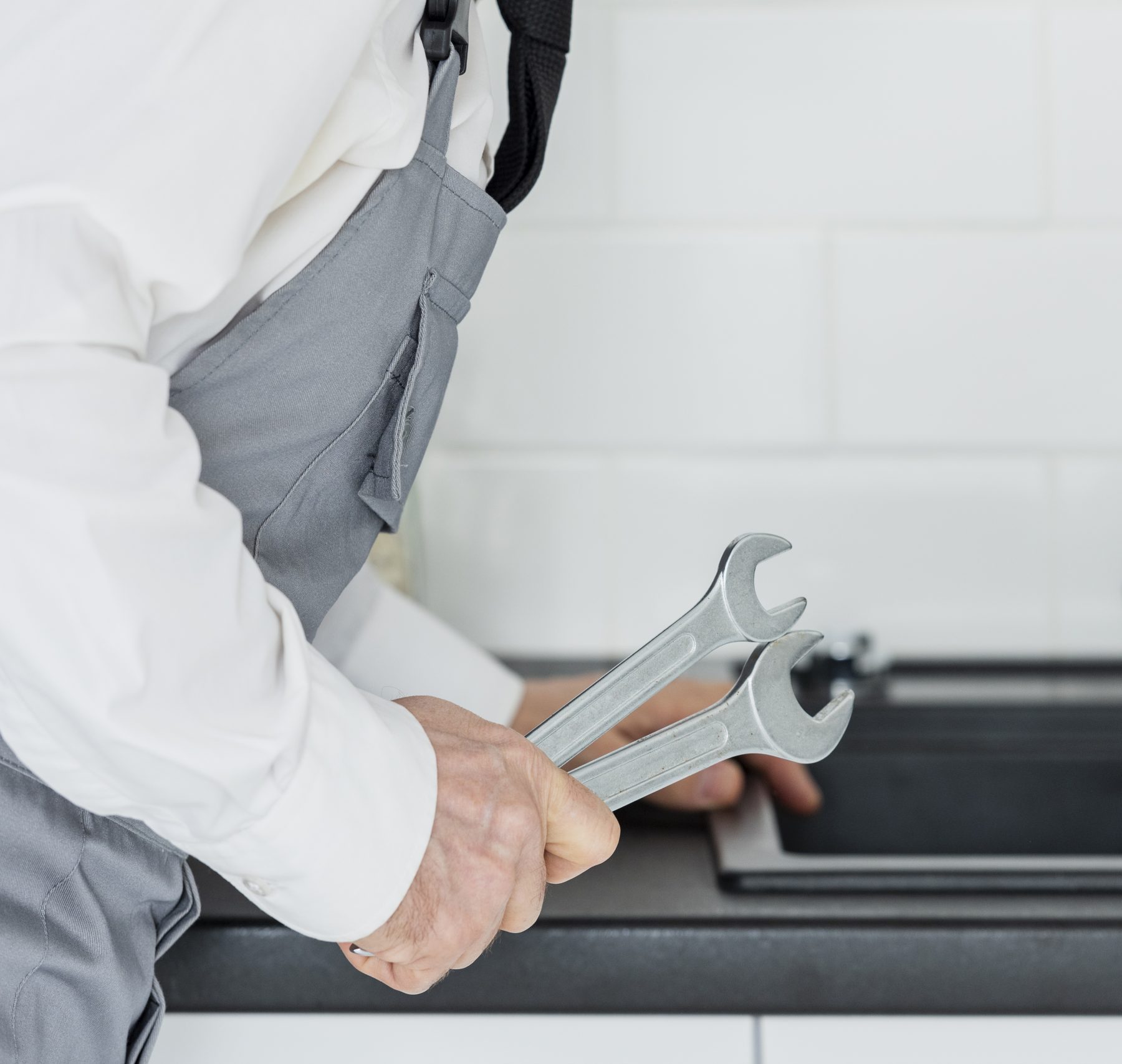
Our Services
Jet Blasting
Jet blasting is among our blocked drains specialisations. It is one of the most recommended approaches to efficiently remove debris in drains both cost effectively and damage free!
Leak Repairs
If not corrected, leaks can cause severe damage to your property. We are a registered plumbing company in Melbourne, and our experts can fix any pipe water leaks or water lines within two to three hours of reaching your place.
24/7 Emergency Assistance
Our emergency plumbers offer the most common urgent plumbing repairs to Melbourne residents.
Drain Relining Experts
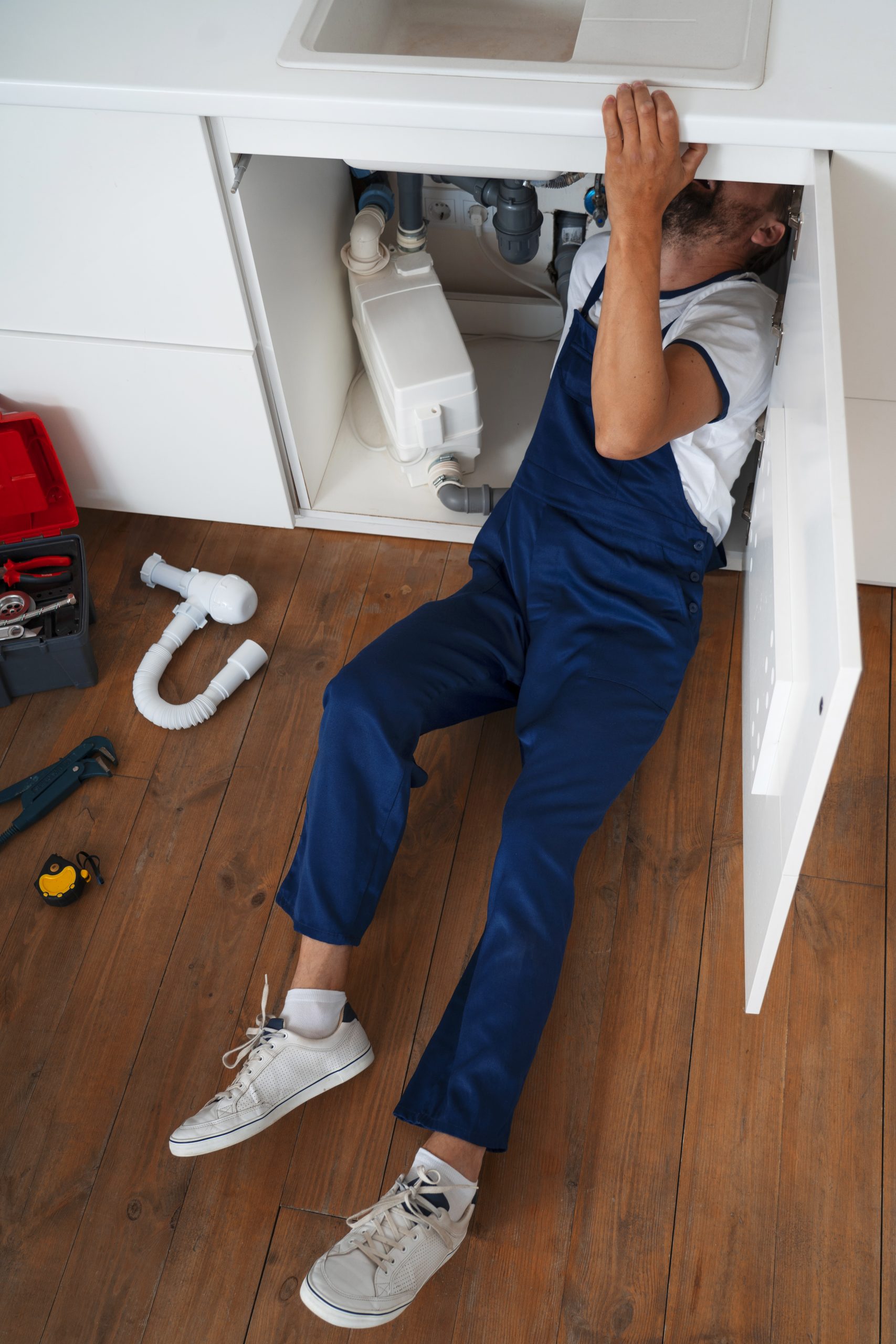
We inspect, clear and reline blocked drains to solve your plumbing problems. We can assist both home owners and commercial businesses fast with 1 hour emergency response times. Servicing Essendon and Western suburbs in Melbourne, we use the latest in-drain camera technology to diagnose the real cause of your drainage problems. We offer long-term solutions which don’t cause damage from unnecessary digging.
What to expect when you call Aspire Plumbing Essendon
 Simple SolutionsOnly necessary workLife time guarenteeFast response timeProfessional Advice
Frequently Asked Questions
What is pipe relining?
Pipe relining, also known as Cured-In-Place Pipelining (CIPP), is a method by which TDM can rehabilitate your pipelines without the excess costs associated with excavation and replacing existing pipelines.
Your Title Goes Here
Your content goes here. Edit or remove this text inline or in the module Content settings. You can also style every aspect of this content in the module Design settings and even apply custom CSS to this text in the module Advanced settings.
Your Title Goes Here
Your content goes here. Edit or remove this text inline or in the module Content settings. You can also style every aspect of this content in the module Design settings and even apply custom CSS to this text in the module Advanced settings.
How is a pipe relined?
CIPP Lining comprises a resin-saturated lining tube installed in a pipeline to create what has become known as a close fit ‘pipe-within-a-pipe’ as a structural solution to pipeline deterioration. Installation can be by winching in the liner uninflated through the host pipe or inverting the liner through the host pipe using air through an inversion drum.
Once in the pipe, the liner is inflated and is maintained under pressure. The resin is then cured (hardened) to leave the liner in place within the host pipe. Curing processes vary and include ambient cure, hot water cure, steam cure and UV light cure.
What types of pipes and materials can be fixed?
The CIPP method can be applied to structurally rehabilitate pipelines with defects such as cracks, offset joints, and structurally deficient segments. Almost any shape pipe can be structurally rehabilitated, including Vertical or Horizontal, Square, Rectangular or Round pipes, 90-degree bends, P traps, S traps, Junctions and Elbows.
Once in the pipe, the liner is inflated and is maintained under pressure. The resin is then cured (hardened) to leave the liner in place within the host pipe. Curing processes vary and include ambient cure, hot water cure, steam cure and UV light cure.
How is the pipe relining job secured?
Post Curing the lining is allowed to cool, the ends are cut to fit the host pipe and sealed. A sample of the CIPP liner is then taken from the pipe ends or a mould cured in the access chamber for testing purposes and to verify the liner has met its performance specifications. Once curing has been completed, and the pipeline is returned to service, service connections and laterals are reinstated utilising TDM’s pipeline robotic equipment.
Once in the pipe, the liner is inflated and is maintained under pressure. The resin is then cured (hardened) to leave the liner in place within the host pipe. Curing processes vary and include ambient cure, hot water cure, steam cure and UV light cure.